In Brazil’s rapidly evolving gaming scene, all Xbox Gaming Brazil is shaping how players, developers, and retailers understand access, affordability, and long-term engagement with a platform that promises both local relevance and global scale. The current moment blends hardware adoption with software services, creating a test bed for how a multinational console ecosystem translates into meaningful everyday use in Brazilian homes and internet cafes alike. This analysis examines the forces driving that dynamic, the frictions that remain, and the scenarios that could unfold in the next 18 to 24 months.
The Brazilian Console Landscape and Demand
Brazilian households show a continued appetite for living-room entertainment that can be shared, durable, and fiscally predictable. Console penetration remains uneven across regions, with urban centers often leading in broadband access and storefront presence while rural areas contend with connectivity gaps. In that context, all Xbox Gaming Brazil operates not merely as a hardware proposition but as a gateway to a broader ecosystem—Cloud play, digital libraries, and community features that reduce the upfront cost of ownership. The emphasis on family-friendly titles, cross-generation compatibility, and Portuguese-language support helps the platform carve out a stable, if competitive, space among peers.
Publishers and retailers are watching currency movements and tax regimes closely, because price parity across platforms matters for perceived value. In practice, this translates into a tilt toward bundles and memberships that can spread a single purchase across months of play, while still delivering a robust catalog for fans of shooters, sports, and RPGs. The Brazilian market demonstrates that a successful console strategy cannot rely on hardware cadence alone; it must align with a vibrant digital culture—streaming, co-op play, and user-generated content—that keeps players engaged between major game releases.
Pricing, Subscriptions, and Localized Content
Subscription services, especially Game Pass, influence the decision calculus for Brazilian gamers. Where price sensitivity is high, flexible tiers, regional discounts, and clear value propositions can convert casual players into recurring subscribers. Localization—both in user interfaces and in-game subtitles and dubbing—emerges as a critical differentiator. Portuguese language options, community translations, and culturally resonant content access directly impact uptake and retention. For all Xbox Gaming Brazil, a strategy that couples a growing library with low-friction sign-up flows will likely outperform a price-only approach.
Content strategy matters as well. In a market where soccer games and sports sims drive daily playtime, exclusive or console-first partnerships can translate into brand loyalty that endures beyond a single season. Conversely, a lag in localized content or in the cadence of first-party releases can erode trust and push players toward alternatives. The Brazilian context rewards experiences that breathe regional life into global franchises, with features such as cloud saves and cross-platform progress providing continuity across devices and playstyles.
Platform Service Dynamics and Competitive Position
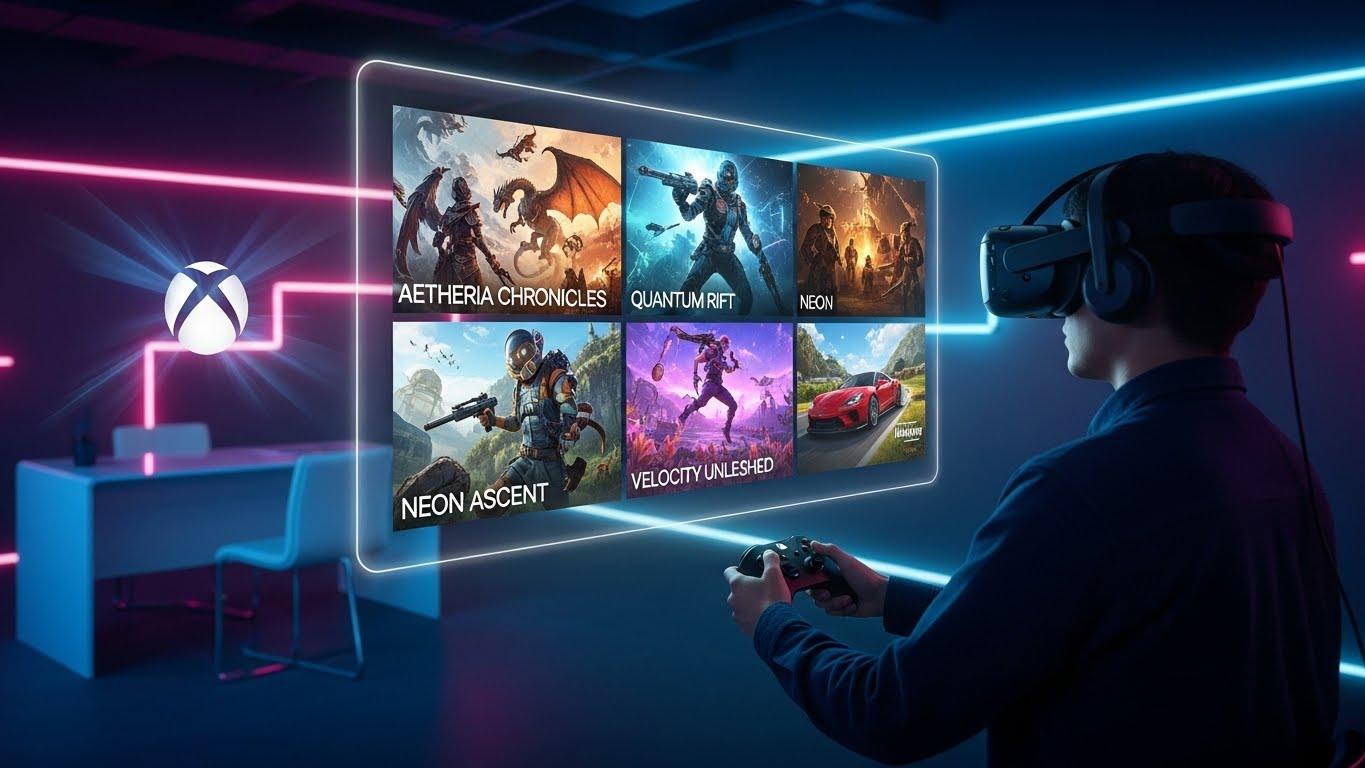
Cloud gaming and mobile play are increasingly relevant in Brazil, where data plans and wi-fi penetration interact with the realities of fluctuating incomes. Xbox services that optimize latency, compress data efficiently, and offer offline play on demand can widen reach for players who are not always online at peak times. In parallel, competitive positioning matters: Sony’s platform and Nintendo’s handheld-led strengths shape expectations around exclusive franchises, local partnerships, and retailer presence. All Xbox Gaming Brazil must emphasize a balanced blend of on-console and cloud-native experiences to avoid dependence on any single channel.
Strategic localization goes beyond language. It includes partnerships with local developers, regional store fronts, price-promise guarantees during sales, and the ability to tailor Game Pass catalogs to the preferences of Brazilian players. As the market shifts toward digital ownership and streaming, the interoperability of accounts, devices, and save data becomes a practical asset, reducing friction for players who rotate between phones, tablets, and consoles.
Future Scenarios for all Xbox Gaming Brazil
Looking ahead, several scenarios seem plausible depending on policy, currency stability, and the pace of digital adoption. A favorable one envisions ongoing price discipline, sustained localization, and expanded Game Pass tiers that accommodate both casual and hardcore players. A more cautious outlook notes the potential for macroeconomic headwinds to tighten consumer budgets, which could slow hardware upgrades but push deeper engagement with cloud and back catalog titles. A third scenario emphasizes partnerships with Brazilian retailers and fintechs to offer flexible financing and time-limited promotions that reduce barrier to entry. Across these paths, the core variable remains the extent to which the platform translates global assets into locally meaningful experiences—an outcome that depends on tempo, listening, and execution at scale.
Actionable Takeaways
- Invest in Portuguese localization across UI and games to boost accessibility and retention.
- Highlight and expand flexible Game Pass options tailored to Brazilian consumers.
- Strengthen partnerships with local retailers and fintechs to offer attractive financing and bundles.
- Prioritize cloud gaming enhancements to reach players with limited upfront hardware budgets.
- Ensure content calendars reflect Brazilian tastes and regional genres to sustain engagement between major releases.