Across players in the region, xbox Xbox Gaming Brazil has emerged as a focal point for how Microsoft adapts to Brazil’s unique mix of connectivity, price sensitivity, and content demand. This analysis looks beyond headline updates to map how cloud features, subscription strategies, and local market realities intersect to influence what Brazilian gamers experience on a day-to-day basis.
Market Context: Brazil’s Xbox Gaming Ecosystem
Brazil represents a large, dynamic gaming audience where affordability, access, and local content matter just as much as raw performance. The Brazilian market blends console ownership with high mobile engagement and a growing appetite for digital libraries. In practice, this means that pricing models, regional promotions, and the availability of localized content can tilt the balance between choosing a console, a PC, or a mobile-first path to gaming. Microsoft’s emphasis on subscription services—most notably a broad Game Pass strategy—aligns with how many Brazilian players prefer to access a rotating catalog of games rather than buy titles outright. The region’s growth is also tied to infrastructure improvements, including more reliable broadband and mobile data plans, which determine the viability of cloud-centric play and cloud-backed features that reduce hardware constraints.
To contextualize, players in Brazil are watching a wider ecosystem where first-party launches, cross-platform promotions, and regional store economics shape what is affordable and how quickly content becomes accessible. The result is a market where cloud capabilities and library breadth can deliver a meaningful difference in perceived value, especially for new and casual players who rely on monthly budgets rather than large upfront investments.
Cloud and Services: How Xbox Is Reshaping Access in Brazil
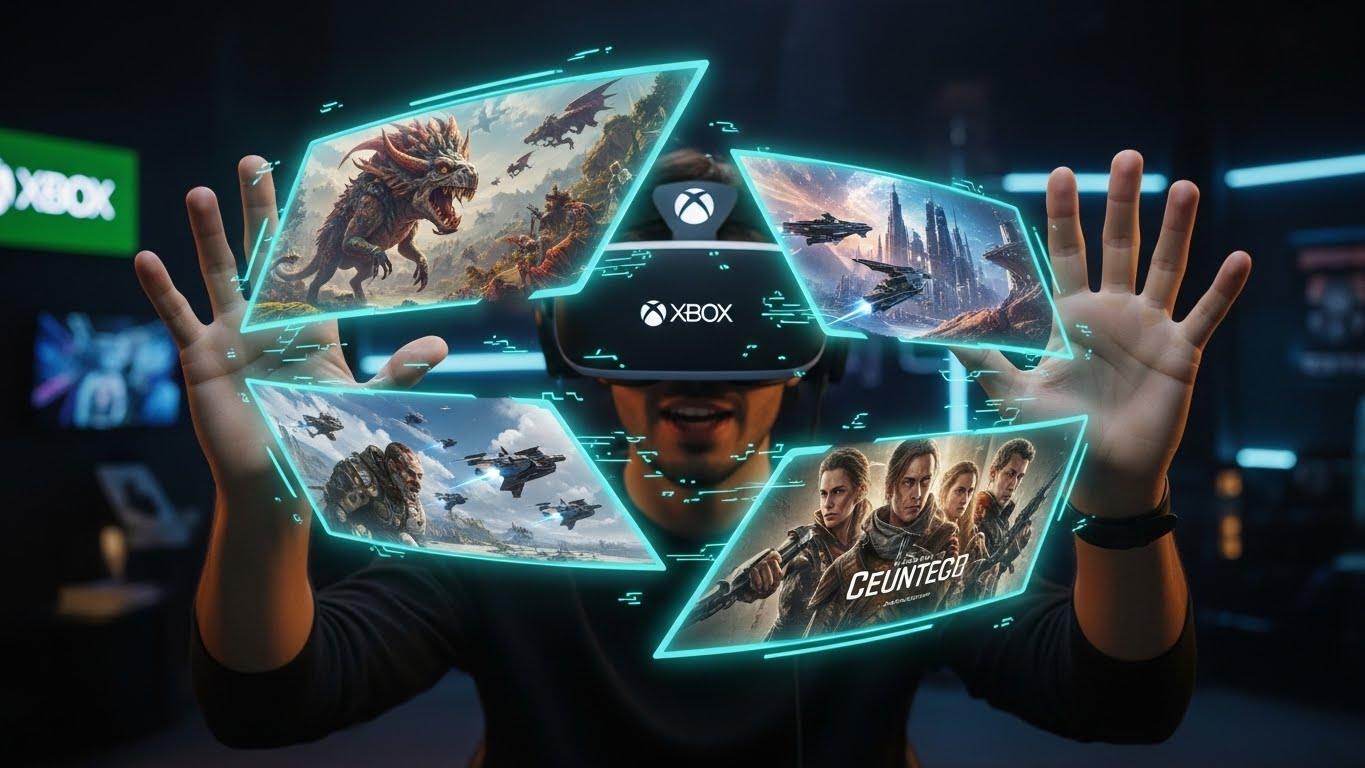
Recent updates around cloud features and AI-assisted gaming tools signal a shift toward accessible, device-agnostic play. In Brazil, the appeal of cloud streaming is twofold: it lowers hardware thresholds for new players and enables more flexible gaming sessions in environments where internet quality varies. For xbox Xbox Gaming Brazil, cloud features mean that a player with a mid-range console, a compatible mobile device, or even a modest laptop can join a growing portion of the catalog without waiting for hardware refreshes. The Gaming Copilot-like functionality—where on-device guidance and streamlined onboarding help players find, start, and optimize games—can reduce friction for newcomers and sustain engagement for veterans who juggle a busy schedule. In this context, the Cloud Gaming layer is less about replacing physical hardware and more about extending the reach of a library and service plan across different devices and network conditions.
From a strategic standpoint, cloud and AI-assisted features also have implications for content discovery and retention. If a Brazilian player can more easily discover titles that suit their tastes and latency constraints, the perceived value of a Game Pass membership rises. This dynamic matters in a market where monthly spend is scrutinized and where promotions—whether for hardware bundles, service discounts, or game bundles—are frequent questions for households balancing multiple devices and subscriptions.
Price, Availability, and the Consumer
Pricing in Brazil continues to be a decisive lever for adoption. Even when catalog depth and cloud access improve, the cost of entry remains a critical gatekeeper for many households. Localized pricing, regional discounts, and payment flexibility influence how quickly players convert interest into ongoing subscriptions. The broader regional ecosystem—where PC discounts and digital storefront promotions are common—also shapes consumer expectations for value across platforms. In practice, Game Pass availability and price tiers in BR, combined with cloud options that span multiple devices, create a layering effect: households can mix and match devices and plans to fit a monthly budget while preserving access to a rotating library. This pricing reality means Xbox strategies in Brazil must balance compelling content, affordable tiers, and reliable performance to sustain growth alongside competing platforms and storefronts.
Availability patterns—such as regional stock for consoles and the latency of cloud streaming in rural areas—also play a role. Even with strong cloud infrastructure momentum, geographic disparities can create uneven experiences. The most effective approaches combine flexible payment options, enticing regional promotions, and a clear message about the value of a connected, multi-device ecosystem that remains accessible even when network conditions fluctuate.
Strategic Scenarios: What Comes Next for Xbox in Brazil
Looking ahead, several scenarios could shape Xbox Gaming Brazil over the next few years. A cloud-first trajectory could see greater emphasis on cloud streaming as a primary access channel, expanding the audience beyond traditional console households. This would be complemented by content localization—both in language and cultural relevance—so that Game Pass and cloud-enabled titles feel directly attuned to Brazilian players. Partnerships with local telecoms or internet providers could improve latency and broaden access to higher-quality streaming plans, particularly in urban centers where demand is strongest and bandwidth is most reliable. On the content side, a mix of regional studios and localized releases could reinforce the value proposition of subscribing to a broad library, while ongoing promotions and bundles help manage price sensitivity in the BR market. A potential challenge remains ensuring sustainable margins as promotions press unit economics; the most resilient path may involve a combination of tiered pricing, bundled hardware, and selective content exclusives that align with Brazil’s gaming culture and spending patterns.
Another plausible path centers on accessibility and experimentation: incremental introductions of AI-assisted features, improved onboarding, and smarter discovery could yield higher engagement without requiring dramatic price changes. In this scenario, the platform invites a broader set of players to trial and adopt services progressively, enabling growth that compounds as users remain within the ecosystem and gradually explore more titles and game modes.
Actionable Takeaways
- Evaluate Game Pass options with a Brazil-centric lens: consider Core or Ultimate plans to maximize catalog access relative to your budget and device choices.
- Monitor cloud availability in your region: if cloud streaming improves latency and reliability, prioritize devices that can take advantage of cloud titles on multiple screens (mobile, laptop, TV).
- Explore bundled offers and localized promotions: regional discounts can significantly alter the value proposition of Xbox services versus competing platforms.
- Focus on content relevance: look for titles with Brazilian localization and culturally resonant themes to improve engagement and retention.
- Assess internet reliability and data plans: stable connectivity is a prerequisite for meaningful cloud gaming experiences and consistent Game Pass value.