For players in Brazil, all Xbox Gaming Brazil is more than a label; it describes a shifting ecosystem where hardware access, subscription services, and cloud capability intersect with local economic realities. This analysis maps the evolution of the region’s Xbox footprint, considering how Game Pass, pricing strategies, and local partnerships are reshaping expectations among players, developers, and retailers. The aim is to forecast how policy, infrastructure, and market dynamism might alter the balance between console sales, cloud gaming, and digital ownership in the coming year.
Market Realities in Brazil
Brazilian gamers approach value from a unique blend of price sensitivity and digital appetite. Hardware availability for the Xbox Series X|S coexists with a robust PlayStation presence, but growth hinges on more than initial purchase: financing options, local promotions, and the breadth of compatible services determine ongoing engagement. Institutional factors—import duties, currency fluctuations, and regional distribution—shape what marches into living rooms and what stays on the retailer shelves. In this context, the ecosystem that underpins all Xbox Gaming Brazil is increasingly about durable access: affordable bundles, long-term subscription value, and consistent software cadence that justifies the initial cost. The market also benefits from a vibrant multiplayer culture and mobile-first consumption patterns that encourage cloud and cross-platform play, provided latency and availability meet user expectations.
In practice, success rests on a triple axis: price discipline, regional catalog relevance, and the ability to translate global content strategies into local relevance. For developers and publishers, this means tailoring promotions, localization, and timing to align with Brazilian fiscal cycles and school-year rhythms. For retailers and service providers, it means crafting attractive entry points—whether through hardware bundles, prepaid plans, or promotional pricing—that reduce friction at the moment a consumer decides to engage with the platform long term.
Game Pass in Brazil: Adoption and Pricing
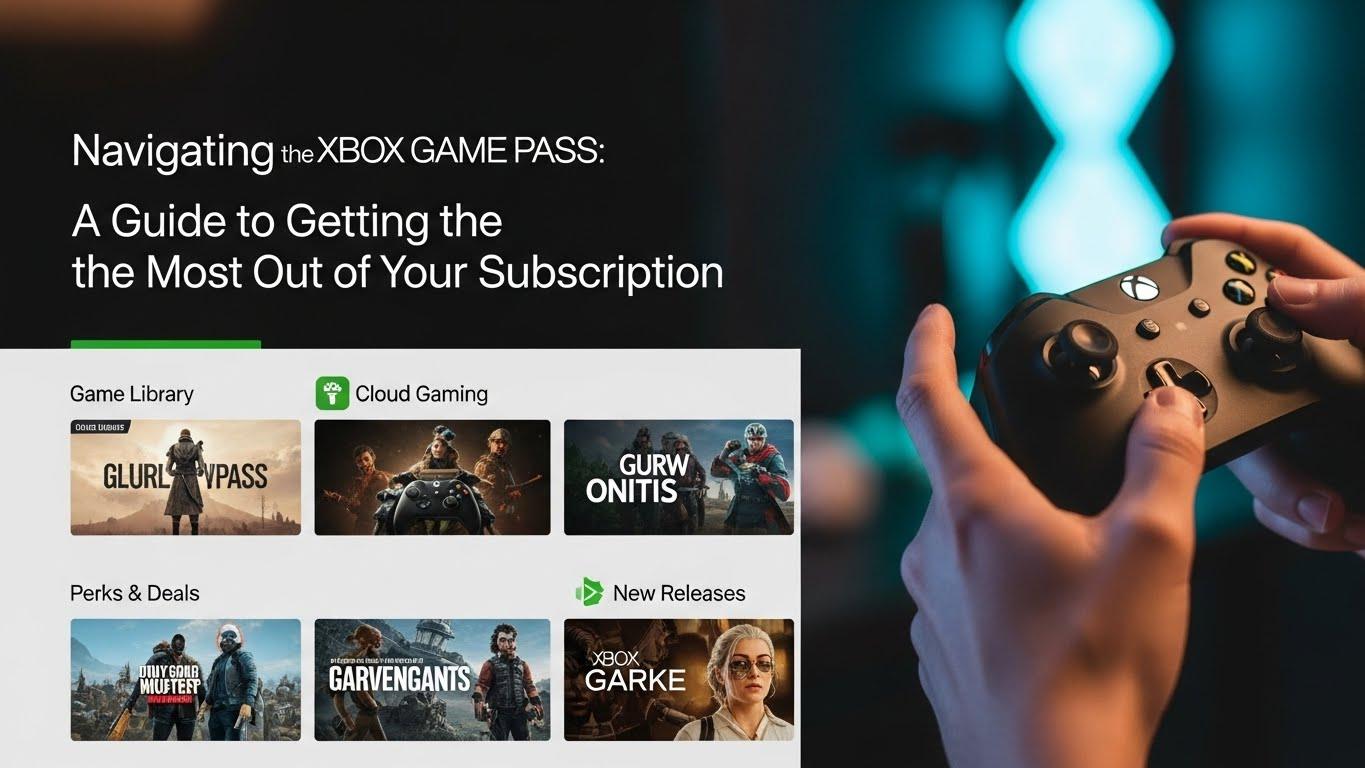
Game Pass functions as a strategic gateway for all Xbox Gaming Brazil, offering the perceived value that helps convert casual interest into sustained engagement. In markets like Brazil, where discretionary income fluctuates, monthly subscription options can outperform one-off purchases by spreading risk and enabling a broader set of players to sample a larger library. The cloud-enabled facet of the service adds another layer: mobile devices, which dominate many Brazilian households’ entertainment budgets, gain access to higher-end titles without the immediate need for console hardware. That dynamic creates a potential fracture: households that lean into console ownership versus those that rely on cloud streaming. The challenge is ensuring catalog breadth—especially titles with local appeal—and pricing that remains respectful of local wage realities while preserving the perceived premium of the service.
Local pricing, promotions, and content cadence matter just as much as technical reliability. A Brazilian’s decision to stay or switch to Game Pass often hinges on the balance between library depth and the cost of entry. For Game Pass to drive durable growth, Microsoft must continue refining the mix of evergreen titles, day-one content, and regional indies, while maintaining cloud performance that minimizes buffering and latency. The result is a more nuanced landscape where subscription value is measured not only by access to games but by a reliable, culturally resonant, and technically smooth playing experience across devices.
Localization, Infrastructure, and Cloud Gaming
Localization goes beyond language—it’s about meeting players where they are. Portuguese (Brazil) store localization, payment options that reflect Brazilian financial behavior, and culturally aligned marketing are essential components of any credible growth plan. Additionally, the expansion of cloud gaming depends on infrastructure: data-center proximity, network resilience, and adaptive streaming that respects Brazil’s varied connectivity landscape. For many players, cloud gaming represents a lower-friction path to the Xbox catalog, especially on mobile devices. If latency, uptime, and performance improve in tandem with local partnerships and network investments, cloud gaming could become a principal channel, not merely a supplementary one, for all Xbox Gaming Brazil.
Another layer is the regional store ecosystem. A localized storefront with Brazilian payment rails, regional discounts, and culturally relevant promotions can reduce TCO and increase retention. Such alignment helps transform perceived value from a theoretical proposition into a sustained daily habit, which is crucial when the market competes with highly aggressive mobile-native ecosystems and entrenched console competitors. As infrastructure matures, the risk–reward calculus for players and developers shifts toward longer-term engagement rather than immediate one-off purchases.
Developer and Publisher Perspective
Indie studios and regional publishers see opportunities in Brazil’s burgeoning digital economy. Game Pass can serve as a discovery engine, lowering the cost of entry for smaller teams to reach a broad audience while enabling experimentation with local genres and storytelling. For developers, the challenge is ensuring that content alignment with Brazilian cultural tastes—whether through language localization, community features, or localized marketing—drives meaningful engagement. From a publisher perspective, there is value in partnerships that bundle regional promotions with global releases, creating a bridge between local communities and the broader Xbox ecosystem. In addition, the cross-platform nature of Xbox services means that successful Brazilian titles can reach PC and cloud audiences, expanding market reach without over-reliance on a single distribution channel.
Microsoft’s broader investment in Latin America and similar markets signals a willingness to adapt incentives to local realities. This could include more favorable revenue-sharing terms for agreed-upon local projects, targeted marketing campaigns, and collaboration with local studios to surface Brazil-centered experiences. As all Xbox Gaming Brazil evolves, developers who couple strong localization with reliable post-launch support stand the best chance of turning short-term attention into long-term fans.
Actionable Takeaways
- Players: Evaluate Game Pass as a cost-effective gateway to a diverse catalog, including cloud access on mobile devices for flexible, on-the-go gaming.
- Retailers and carriers: Create bundled offers that pair consoles or streaming devices with discounted Game Pass memberships to reduce upfront cost barriers.
- Developers and publishers: Prioritize local language support and culturally resonant content; view Game Pass as a discovery channel that can drive longer-term engagement across platforms.
- Platform operators: Invest in Brazil-focused promotions and content scheduling that align with school holidays and peak gaming periods, while improving cloud streaming stability and latency.
- Policymakers and industry bodies: Support transparent digital payments infrastructure and tax frameworks that facilitate easy access to subscription services for a broad audience.
- Marketplace realism: Maintain a cadence of regional promotions and flexible pricing that reflects local purchasing power without eroding perceived value of the platform.
Source Context