In the brazilian Xbox Gaming Brazil landscape, players, retailers, and developers are recalibrating expectations as pricing, services, and local culture intersect to shape how Xbox titles reach Brazilian hands. This deep-dive analyzes the forces driving growth, the constraints that persist, and the scenarios that could reframe the console’s role in Brazil—from subscription value to hardware availability.
Market Context and the brazilian Xbox Gaming Brazil Landscape
Brazil remains the largest gaming market in Latin America, with a growing appetite for digital services and a steady expansion in broadband access. Within this context, Xbox has pursued a strategy centered on value, accessibility, and regional relevance. The phrase brazilian Xbox Gaming Brazil has emerged not as a slogan but as a shorthand for understanding how buying power, payment methods, and cultural preferences shape platform preference. Retail promotions, while important, only tell part of the story; the real hinge is whether the ecosystem offers reliable value over time through subscriptions, exclusive content, and a durable hardware path.
On the ground, households weigh upfront hardware costs against ongoing service costs. Promotions that bundle console hardware with extended Game Pass memberships can alter the decision calculus for first-time buyers, especially when combined with local payment options and store rebates. At the same time, the digital storefronts must translate to real-world reliability: game downloads, cloud streaming, and updates must feel fast and predictable given varied internet quality across regions. In short, the market context is defined by trade-offs between price, performance, and access, with Brazil’s unique tax and logistics landscape amplifying both the opportunities and the risks for every player in the supply chain.
Value Propositions: Game Pass, Local Pricing, and Accessibility
Xbox Game Pass serves as a central pillar for the platform in Brazil, offering an affordable entry point and a broad library that includes both new releases and legacy titles. For players in Brazil, the appeal rests on predictable monthly costs and the freedom to try multiple games without committing to individual purchases. This is particularly salient in a market where discretionary spending can be highly sensitive to macroeconomic shifts. The region’s pricing strategy, coupled with occasional promotions and bundles, can tilt the balance toward digital subscriptions over outright ownership.
Accessibility also hinges on robust digital infrastructure. While urban centers benefit from higher bandwidth, rural areas still face bandwidth or latency constraints. Microsoft has responded by investing in data center proximity and streaming technology that aims to reduce buffering in fixed and mobile networks. The cloud component of Game Pass, including cloud gaming trials, presents a plausible path to broader access, provided connectivity continues to improve. The upshot for brazilian Xbox Gaming Brazil communities is that value and reliability must co-evolve with infrastructure, otherwise the ecosystem risks pricing itself out of reach for a large share of potential players.
Content localization and developer support are important signals. Portuguese subtitles and voice-overs enhance perceived value and reduce friction for new users exploring the catalog. For the publisher ecosystem, Brazil becomes more attractive when studios can publish with reduced localization friction and a clear certification path, potentially expanding the library of Brazilian-friendly releases and regional exclusives.
Developer and Publisher Dynamics in Brazil
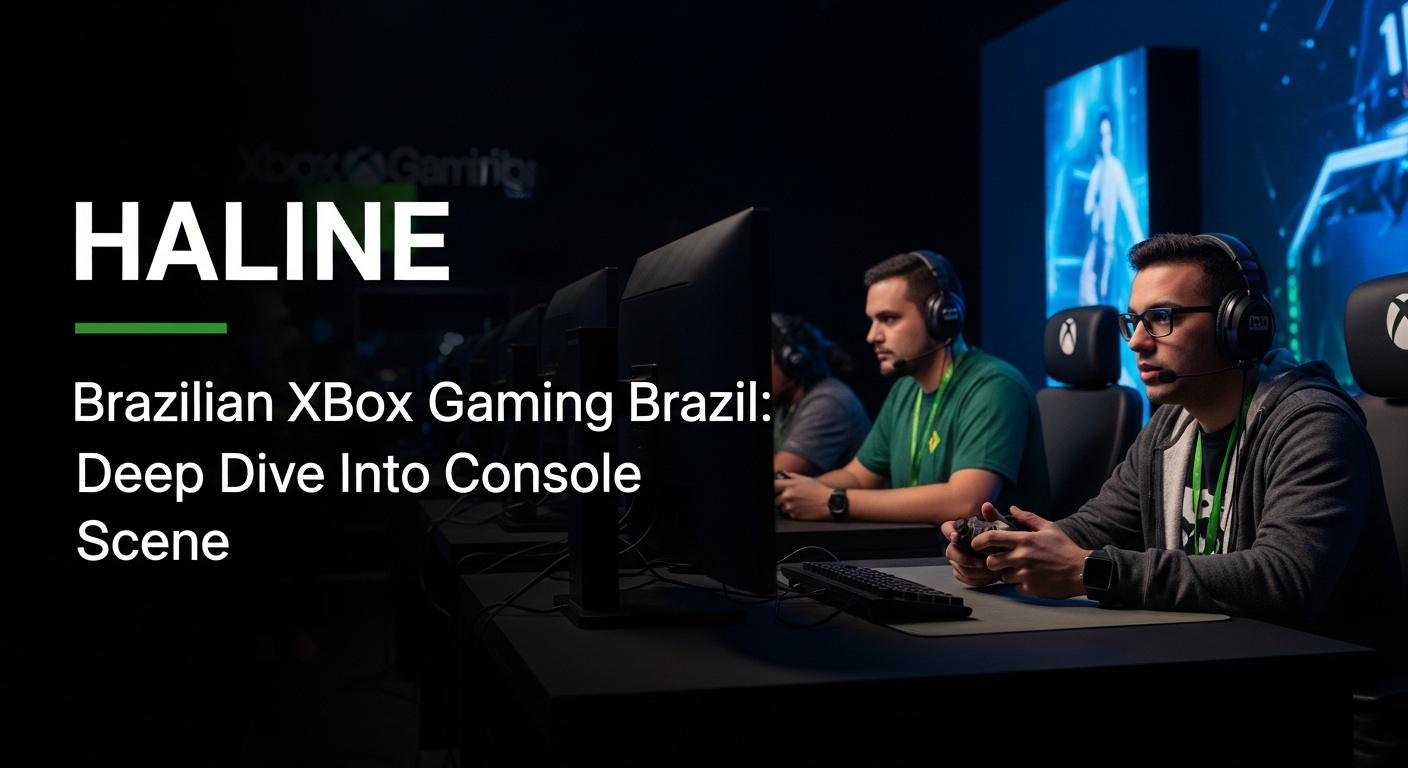
Brazil is home to a growing pool of studios that contribute to the regional game culture while also seeking international audiences. The Xbox platform, through programs like ID@Xbox, offers opportunities for independent developers to publish and monetize titles with less friction than older distribution models. Localization, certification, and publishing support become competitive differentiators; studios that invest in Portuguese-language support and culturally resonant content can accelerate adoption in the market. In addition, local events and showcases — from university-studio partnerships to broader industry conferences — provide venues where developers test concepts, gather feedback, and build communities around Xbox titles.
Publishers eyeing Brazil must consider not just translation but also how game systems, monetization models, and patches are deployed in a way that aligns with local retail and digital ecosystems. The result is a dynamic feedback loop: successful localized releases reinforce demand for more titles, while a lack of local support can push players toward alternative platforms. The broader regional context, including trade show outcomes and consumer sentiment, matters because it informs how quickly new content arrives and how sustainable the market will be for ongoing service investments.
Actionable Takeaways
- Evaluate local pricing and bundles: retailers and distributors should test bundles that combine hardware with extended Game Pass periods to boost initial adoption.
- Invest in localization: titles with Portuguese subtitles or voice options tend to outperform monolingual releases in driving long-term engagement.
- Strengthen community channels: support Brazilian Xbox Gaming Brazil communities with official events, live-streams, and localized support to foster loyalty.
- Monitor infrastructure and accessibility: track broadband availability and latency trends to align streaming ambitions with on-the-ground realities in Brazil.
- Encourage publisher partnerships: foster collaborations with Brazilian studios and distributors to diversify the catalog and tailor content to local tastes.