all Xbox Gaming Brazil: Brazil’s Xbox Strategy: Pricing, Services, a
Updated: April 19, 2026
all Xbox Gaming Brazil stands at a crossroads as a confluence of price shifts, service models, and evolving consumer expectations presses the console scene from São Paulo to the far north. As players weigh Game Pass, hardware bundles, and new features, the Brazil market reveals how global strategies translate into local realities. This analysis examines the forces shaping Xbox’s footprint in Brazil, and what that means for players, retailers, and developers who rely on a healthy ecosystem.
Market dynamics shaping Brazil’s console and subscription landscape
Brazil operates in a pricing environment marked by currency volatility, import costs, and a consumer base that often evaluates entertainment budgets with tight margins. Even with the global push toward digital ecosystems, many households continue to balance affordability with aspiration, making value propositions more important than novelty alone. In this setting, Xbox competes not only with PlayStation and Nintendo devices, but with PC gaming, mobile titles, and streaming services that compete for the same leisure time and household budget.
The shift toward digital distribution has helped reduce some upfront costs but increases dependence on reliable broadband and accessible payment methods. Local promotions, regional tax considerations, and inflation trajectories all influence how discounts land with Brazilian players and how subscriptions translate into sustained engagement. For all Xbox Gaming Brazil, the central question is not only price points but how to stage a multi-service ecosystem that feels affordable, reliable, and relevant to diverse households nationwide. The landscape also links content strategy to market access: localization, cultural relevance, and marketing clarity matter as much as sticker price when turning curious buyers into loyal subscribers.
Game Pass pricing and regional affordability
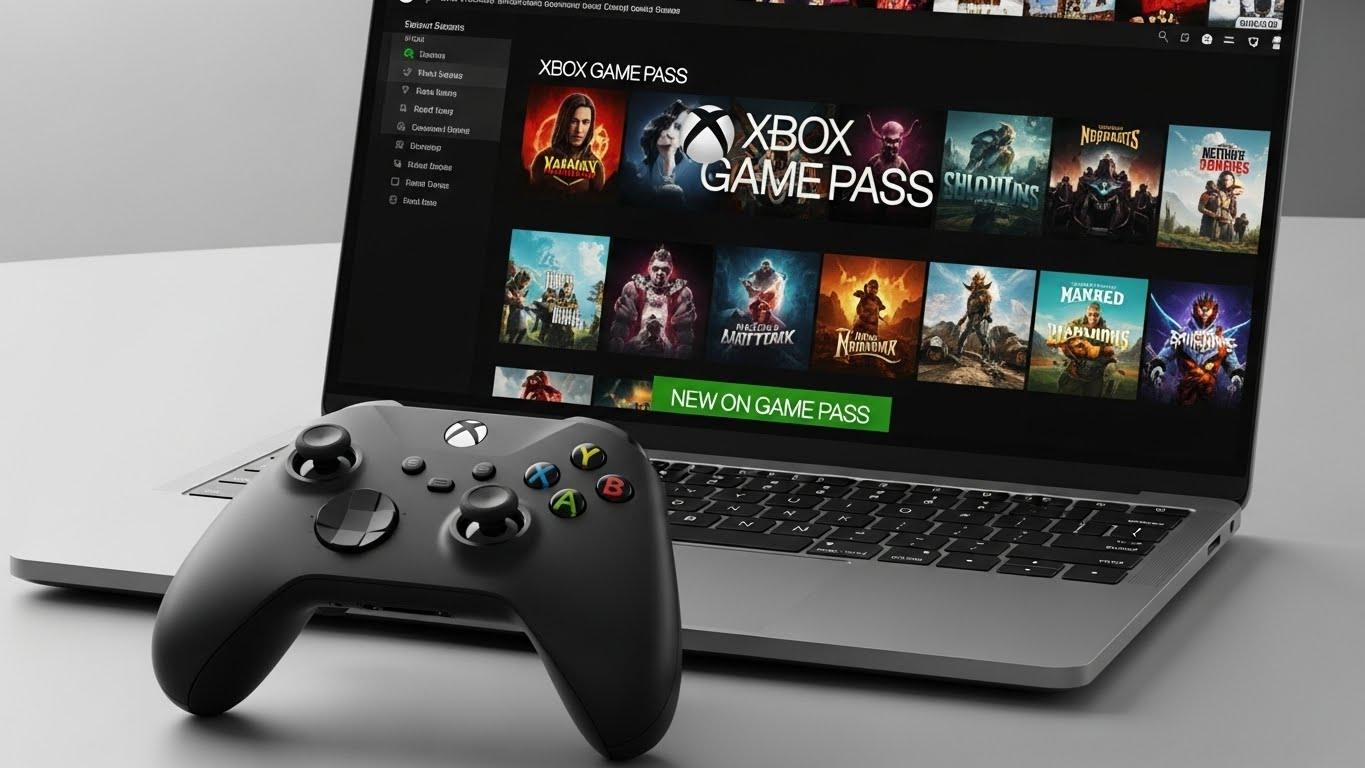
Pricing discussions around Game Pass in Brazil reveal a tension between global value propositions and local purchasing power. While hundreds of games and day-one releases remain an attractive bundle, the local currency’s volatility and rising domestic costs compress the perceived value. Families weigh the monthly fee against other essential expenses, data plans, and the opportunity cost of alternative entertainment options. In response, Xbox has leaned into regional promotions, bundles with retailers and telecoms, and occasional price refreshes to maintain affordability. Yet the dynamic is delicate: sustained churn becomes likely if the cost burden outpaces household income cycles or if promotions fail to land during peak consumer moments such as holidays and school breaks.
From a strategic lens, parity across regions extends beyond price. The most durable value comes from content that resonates locally—Portuguese localization, culturally relevant releases, and marketing that signals ongoing investment in the Brazilian market. Pricing must therefore be coupled with a robust content strategy, flexible payment options, and renewal transparency to ensure that Game Pass remains a doorway to a broader Xbox ecosystem rather than a one-off purchase. The Brazilian audience often judges value through practical access: giftable subscriptions, regional promotions, and a predictable renewal cadence that avoids surprise increases while still funding ongoing content development and releases in Portuguese-speaking markets.
Hardware availability and consumer behavior in Brazil
Hardware supply in Brazil continues to display uneven cadence compared with global launches. This reality pushes many buyers toward bundles that combine consoles with services or games, or toward the secondary market where pricing discipline matters. The gap between early-adopter enthusiasm and real-world affordability shapes purchase timing, especially for families balancing education, data usage, and healthcare costs. The accelerant of cloud gaming—available on mobile and mid-range devices—offers a potential pathway to reduced upfront hardware costs, but it remains contingent on stable networks and affordable data plans, which vary widely across urban and rural regions.
Brazilian consumer behavior rewards bundled value, reliable after-sales support, and clear upgrade paths. Successful Xbox strategies will therefore integrate hardware, services, and financing options that survive macroeconomic shifts. Local partnerships, responsive warranties, and regional retailer networks are essential to maintaining trust and reducing friction in upgrading from starter kits to mid-generation hardware. In a market where price sensitivity remains high, the ability to offer practical, affordable upgrade trajectories could define Xbox’s staying power across Brazil’s diverse gaming ecosystems.
Actionable Takeaways
- Design regionally tailored bundles that align with Brazilian data plans, payment methods, and household budgeting cycles to strengthen perceived value.
- Invest in local content localization and marketing that speaks to Brazilian players, leveraging Brazilian studios and culturally resonant releases to deepen engagement.
- Expand cloud gaming testing and optimization to ensure reliable performance on mid-range hardware and in areas with variable connectivity.
- Offer flexible financing, transparent renewals, and robust warranty support to reduce upgrade friction and build long-term trust with Brazilian consumers.
- Develop strategic partnerships with Brazilian retailers, telecom operators, and creators to sustain momentum during price shifts and currency volatility.