Besiktas x Galatasaray: Deep Analysis for Brazilian Xbox Fans
Updated: April 19, 2026
crimson Xbox Gaming Brazil sits at the center of a changing Brazilian gaming landscape, where console play, digital subscriptions, and cloud streaming converge with a growing culture of online sharing and local content. This analysis examines what the color-coded branding suggests about Xbox’s ambitions in Brazil, how players are adopting new services, and what steps could shape sustainable growth for the platform in the coming years.
Context and Framing
Brazil’s gaming market blends a large, diverse audience with uneven infrastructure, creating distinct challenges and opportunities for console ecosystems. While the penetration of traditional consoles remains meaningful in urban centers, a rising tide of players accesses games through mobile devices, streaming apps, and regional retail promotions. The “crimson” branding metaphor, whether literal or rhetorical, signals a deliberate attempt to unify product identity across wide geographies and a mix of digital and physical channels. In this environment, Xbox’s Brazil strategy must account for currency dynamics, regional pricing sensitivities, and a competitive landscape where both local studios and international publishers vie for attention.
Market Dynamics and Consumer Behavior
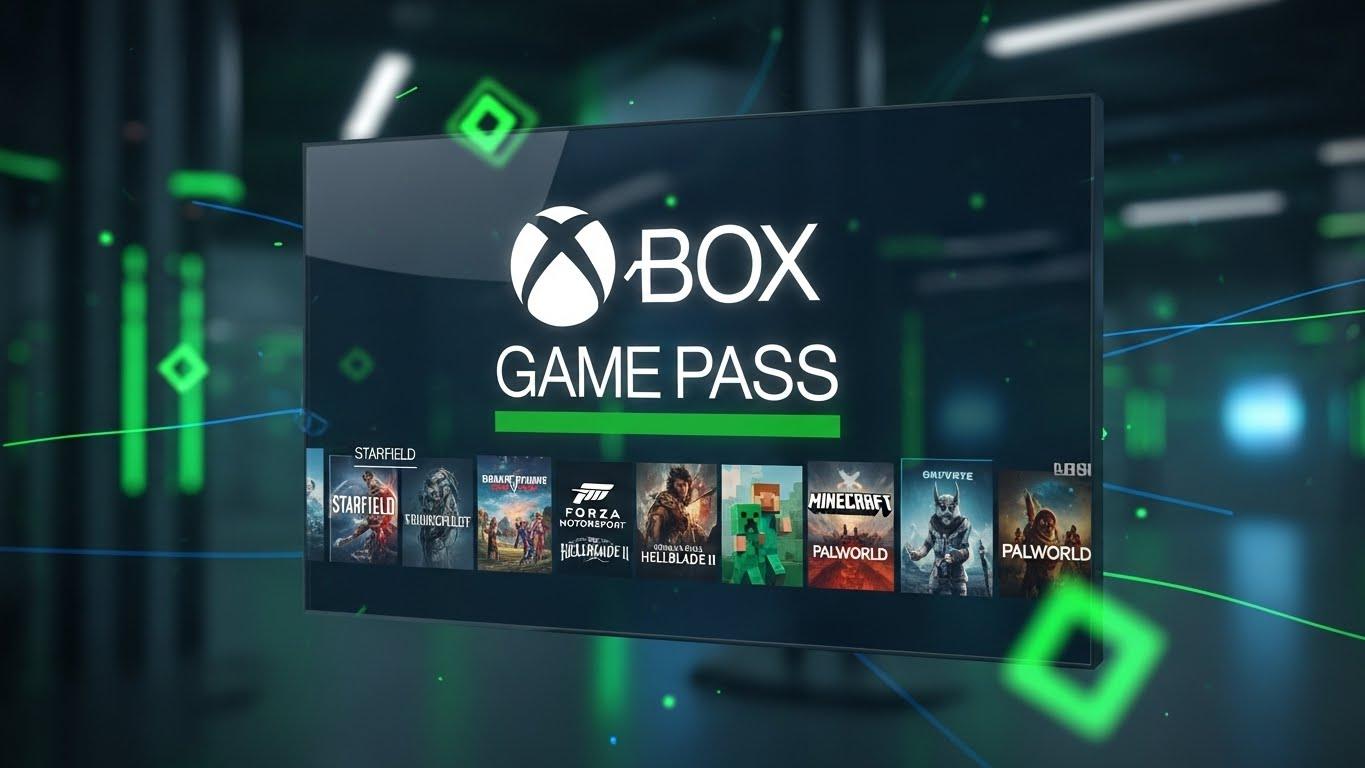
Consumer behavior in Brazil shows strong appetite for value, bundles, and localized content. Brazilian players often weigh upfront console costs against ongoing service subscriptions and game libraries. Game Pass and other subscription models gain traction when they include Portuguese-language support, culturally relevant library titles, and smooth onboarding. Cloud gaming, while nascent in some regions, progresses as data networks improve and carriers expand 5G coverage, reducing latency and making streaming a realistic path for households without high-end hardware. The net effect is a demand for flexible access (monthly plans, regional promotions, and cross-platform play) rather than single-purchase rigidity. For Xbox, this means aligning catalog mix, licensing, and regional promotions with a price architecture that respects local incomes and taxation while keeping the platform accessible to first-time players and seasoned subscribers alike.
Platform Strategy: Localization and Pricing
Localization goes beyond language translation. It encompasses storefront curation, customer support, and partnerships with Brazilian developers and creative studios. A successful approach would see Brazil-specific batches of content, Portuguese-language tutorials, and in-game features tailored to local players’ preferences. Pricing strategies should blend affordability with sustainability, using tiered Game Pass options, regional bundles, and occasional promotions that align with paydays and festival seasons. The crimson Xbox Gaming Brazil branding can anchor community events, streamed showcases, and co-marketing with Brazilian content creators, amplifying visibility while ensuring that the service remains accessible in cities where data costs are a barrier. More broadly, platform strategy must integrate cross-device experiences—PC, console, and cloud—so players can transition seamlessly as their living situations evolve, from apartment living to campus housing and beyond.
Actionable Takeaways
- Invest in Portuguese-language storefronts, customer support, and onboarding materials to reduce friction for first-time subscribers.
- Introduce Brazil-specific Game Pass pricing, bundles, and regional promotions aligned with local income patterns and major paydays.
- Expand cloud gaming partnerships and consider regional edge nodes to improve latency in key Brazilian markets.
- Forge collaborations with local developers and studios to diversify the catalog with culturally resonant titles and exclusive content.
- Strengthen accessibility options and cross-platform features to maximize reach across devices and demographics.
Source Context
Contextual background and further reading from international outlets that touch on global media dynamics and Brazil-focused coverage.
From an editorial perspective, separate confirmed facts from early speculation and revisit assumptions as new verified information appears.
Track official statements, compare independent outlets, and focus on what is confirmed versus what remains under investigation.
For practical decisions, evaluate near-term risk, likely scenarios, and timing before reacting to fast-moving headlines.
Use source quality checks: publication reputation, named attribution, publication time, and consistency across multiple reports.
Cross-check key numbers, proper names, and dates before drawing conclusions; early reporting can shift as agencies, teams, or companies release fuller context.
When claims rely on anonymous sourcing, treat them as provisional signals and wait for corroboration from official records or multiple independent outlets.
Policy, legal, and market implications often unfold in phases; a disciplined timeline view helps avoid overreacting to one headline or social snippet.