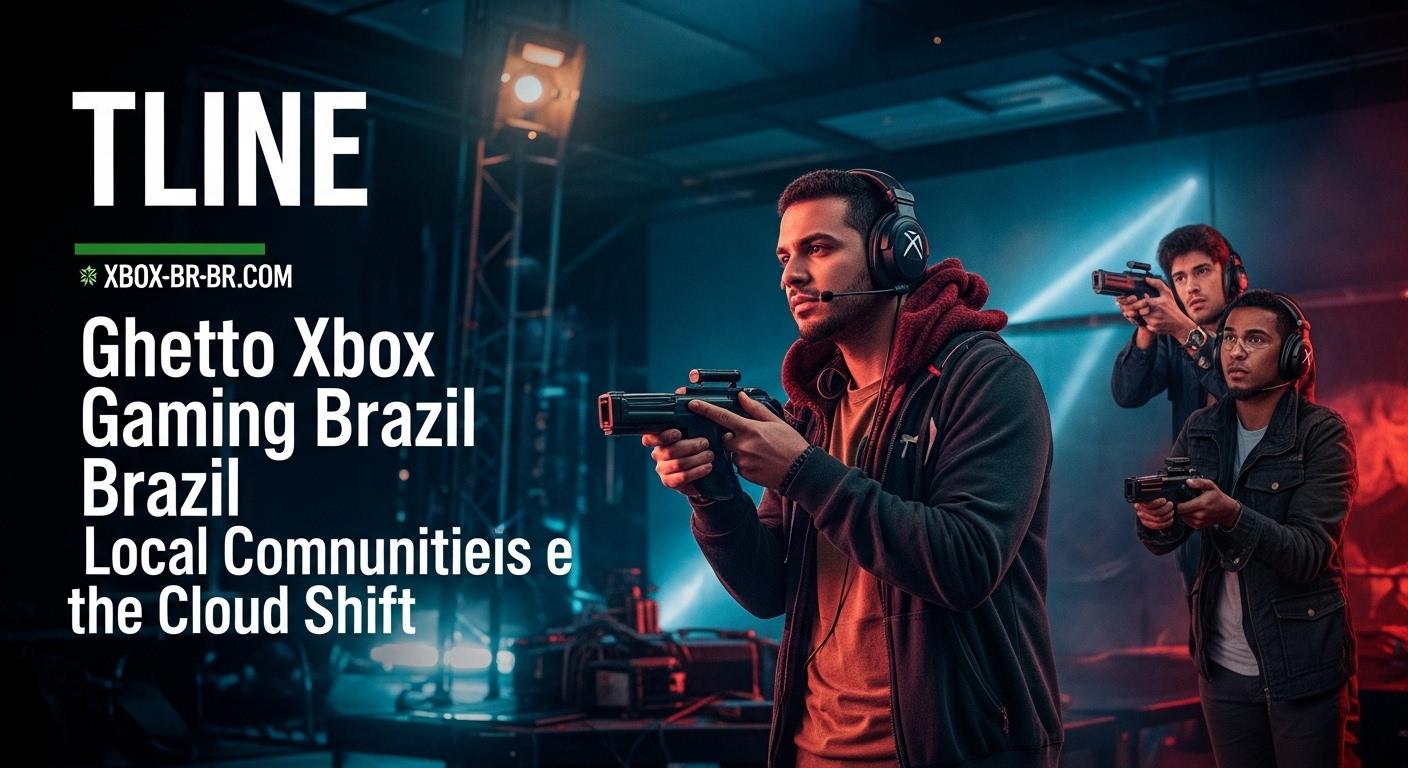
Brazilian Xbox gamers in a communal living room setup
Updated: April 21, 2026
Across Brazil’s growing gaming culture, the xbox Xbox Gaming Brazil debate has shifted from hype to a test of whether cloud-first features can broaden access, reduce hardware gaps, and sustain a subscription-led model. As Microsoft leans into Xbox Cloud Gaming, the Game Pass catalog and the new Gaming Copilot concepts, Brazilian players and retailers are watching to see which promises translate into real-world value—especially where connectivity, pricing, and localization intersect with daily gaming routines.
Context for Brazil’s gaming ecosystem
Brazil represents a paradox for global platform strategies: rapid adoption of digital services, yet heterogeneity in network quality, device ownership, and price sensitivity. In practice, cloud gaming promises to sidestep some hardware barriers, but it also depends on stable, reasonably priced internet access. The Xbox Cloud Gaming baseline can unlock a wider library for devices that do not meet high-end console specs, while Game Pass volumes can sustain engagement across genres and generations. For the local player, the most immediate question is whether subscription cost and data usage align with typical consumer budgets and data plans in major urban centers and underserved regions alike.
From a market perspective, the Brazilian retail and distribution environment must align with ongoing cost pressures, currency volatility, and payment-method preferences. The coherence between Microsoft’s cloud-first framing and the realities of Brazilian households will largely determine whether cloud gaming remains a novelty or becomes a durable pillar of Xbox adoption in the country.
Technical updates and practical impact
Recent updates emphasize three pillars: cloud features as a gateway to a broader catalog, AI-assisted Gaming Copilot features to help new and casual players navigate titles, and the expansion of cross-platform capabilities that reduce friction for Brazilian users who maybe own devices across generations. In practical terms, cloud features could mean fewer hardware bottlenecks for first-time Xbox users, enabling quick entry through a shared library, quick starts, and streamlined progression across devices. Gaming Copilot promises contextual tips, adaptive difficulty, and personalized recommendations that may help Brazilian players discover genres and titles they would not have pursued otherwise. The challenge remains the trade-off between convenience and data consumption, particularly in a market with varied internet plans and data caps—an area where operators and policymakers are paying attention to ensure consumer protection while encouraging innovation.
For developers and publishers, the updates translate into a clearer incentive to optimize cloud-friendly experiences, invest in Portuguese localization, and align price points with Brazil’s purchasing power. The practical effect is a potential reconfiguration of how titles are marketed—emphasizing accessibility and ongoing engagement over upfront hardware investments.
Adoption landscape: challenges and opportunities in Brazil
Adoption hinges on several interrelated factors. Bandwidth availability and reliability in major cities are improving, but rural and regional areas still face constraints that can affect the perceived value of cloud-based play. Payment ecosystems in Brazil favor local methods, and successful Xbox campaigns must integrate these options smoothly to avoid friction at checkout. Moreover, price sensitivity means bundles, promotions, and local content curation will be crucial to maintain a steady user base. Opportunities lie in partnerships with local retailers, education and youth-focused programs, and the growth of indie developers who can tailor experiences to Brazilian tastes and cultural references, thereby expanding the perceived relevance of the Xbox platform beyond marquee titles.
Another key dynamic is the broader digital ecosystem: internet service providers, mobile networks, and data-usage policies will shape how cloud gaming is consumed. If network operators can offer more generous data allotments or affordable passes for gaming, the total cost of ownership for a Brazilian gamer can improve markedly. Conversely, if data costs remain prohibitive or if cloud latency becomes noticeable in peripheral regions, the adoption curve could flatten. The current trajectory suggests a measured ramp, driven by value demonstrations, language localization, and practical in-field benefits for daily gaming decisions.
Strategies for players and Brazilian retailers
For players, the practical takeaway is to leverage Game Pass as a low-risk entry point to a broader library while monitoring data usage during peak hours. Cloud features can be most effective when combined with devices already owned, reducing the need for new hardware purchases. For the more hardware-conscious gamer, a mid-range console or capable PC paired with a robust internet plan can still deliver a near-future-proof experience through cloud streaming and cross-save continuity.
Retailers and distributors should prioritize localization—pricing in reais, Portuguese-language support, and culturally relevant promotions—while highlighting cloud access as a feature that complements, rather than replaces, traditional console ownership. Bundling offers that include data-friendly plans or partnerships with network operators can help bridge the affordability gap for newer entrants. Finally, content strategy matters: curating a Brazilian-tavorites list in promotions and ensuring Portuguese documentation for features like Gaming Copilot will improve onboarding and long-term retention.
Actionable Takeaways
- Evaluate the value proposition of Xbox Cloud Gaming and Game Pass in your region, considering both device availability and data costs.
- Leverage local payment methods and promotions to reduce upfront costs for new subscribers.
- Invest in Portuguese localization for UI/UX, tutorials, and Copilot guidance to improve user onboarding.
- Monitor network performance in your area and advocate for affordable data plans that support gaming consumption.
- Encourage local indie developers and content creators to tailor experiences for Brazilian audiences, increasing platform relevance.